
All visits
 Cardiology
 Cardiology
Urology
 Urology
Ophthalmology
 Ophthalmology
Endocrinology
 Endocrinology
Pulmonology
 Pulmonology
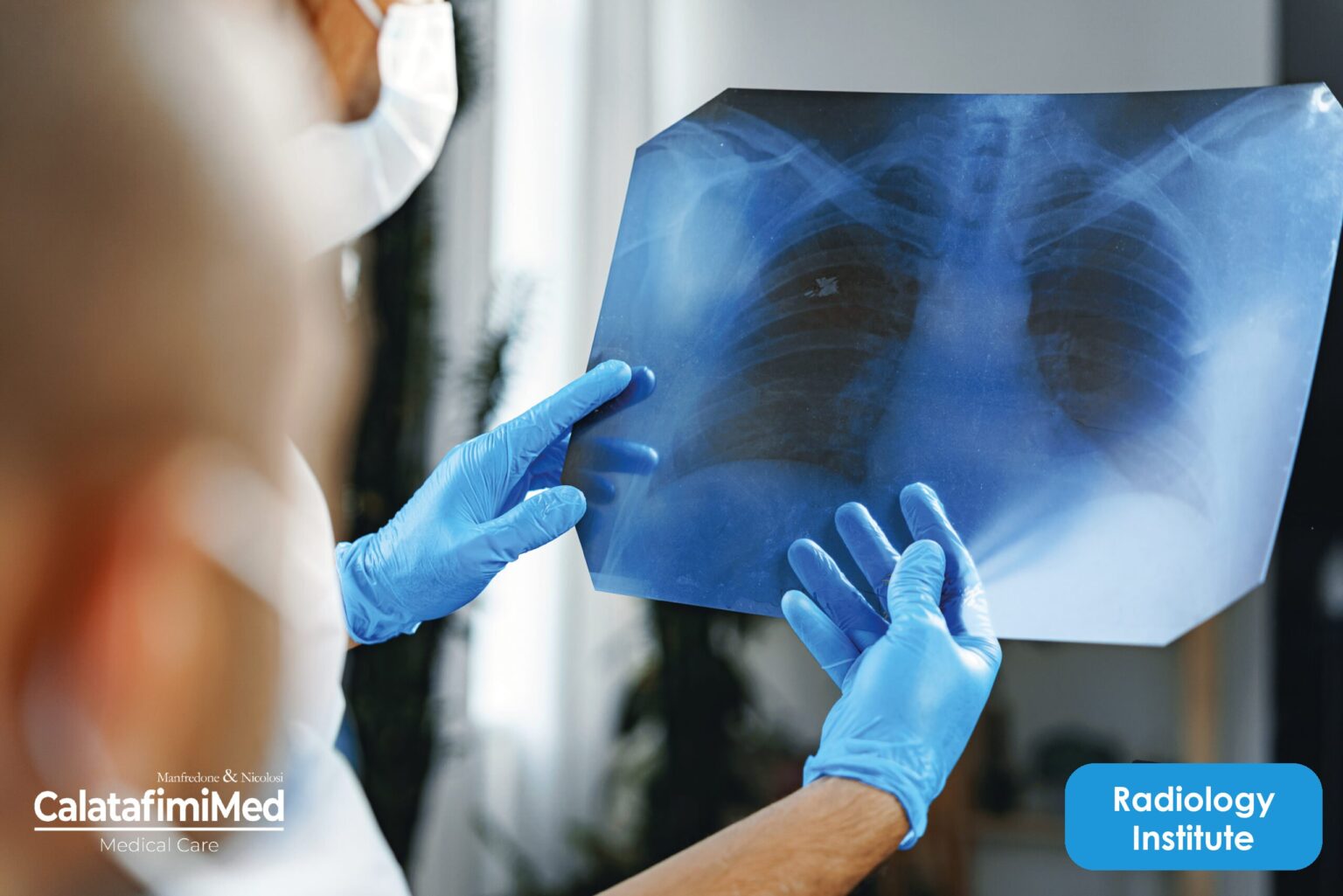
Mammography and tomosynthesis
Mammography is an X-ray examination of the breast using a low dose of radiation. It is the main tool for the early detection of breast cancer, because it can reveal very small lesions, often before they can be felt.
Tomosynthesis, also known as 3D mammography, takes several images from different angles and reconstructs them as thin slices: this reduces overlapping tissue and is especially useful for dense breasts.
What it is used for
- prevention and early detection of breast cancer, at the intervals recommended by your doctor or screening programme;
- investigating lumps, discharge or changes in the skin or nipple;
- regular check-ups after breast surgery or with a family history;
- dense breasts, where tomosynthesis improves diagnostic accuracy.
When needed, mammography is complemented by a breast ultrasound.
How the test is carried out
Standing in front of the mammography unit, you rest your breast on a special platform, where it is compressed by a plate for a few seconds. Compression may be uncomfortable but lasts only briefly, and it is needed to obtain sharp images with the lowest radiation dose.
Two views of each breast are usually taken. With tomosynthesis, the X-ray tube moves in a short arc over the breast during compression. The whole test takes about 10–15 minutes.
Preparation and precautions
- On the day of the test, do not use deodorant, talc or creams on your breasts or underarms, as they can affect the images.
- If you still have periods, the best time is the first half of your cycle, when the breasts are less tender.
- Tell us if you are or might be pregnant, are breastfeeding or have breast implants.
- Bring your referral and previous mammograms and ultrasounds, which are essential for comparison.
A two-piece outfit is best, so that you only need to undress from the waist up.
Services
Mammography and tomosynthesis
Send us your request
*Waiting times refer to working days and to the first available specialist.
CalatafimiMed is in Palermo and is open from Monday to Saturday. For any further information you can contact the centre here.