
Plant proteins and their role in wellbeing: what they are and where to find them
Plant proteins and their role in wellbeing: what they are and where to find them
Plant proteins are a key part of a balanced, healthy diet. Found in foods such as legumes, whole grains, nuts and seeds, they play a crucial role in maintaining muscle mass, bone health and a well-functioning immune system.
Thanks to their fibre, vitamins and “good” fats, plant proteins support heart health, help regulate body weight and support general wellbeing. It is no surprise, then, that in recent years more and more people — not only vegetarians and vegans — have chosen to eat less animal protein, opting for lighter, more sustainable alternatives.
At the CalatafimiMed Nutrition and Dietetics clinic, our professionals help patients understand how to include plant protein sources correctly in their diet, so that the body gets all the nutrients it needs.
Which are the plant proteins and why are they important?
Plant proteins are found in many foods, including lentils, chickpeas, beans, oats, spelt, walnuts, almonds, flax and chia seeds.
These nutrients help build tissues, regenerate cells and produce enzymes, hormones and antibodies.
Unlike animal proteins, plant proteins contain little saturated fat, no cholesterol and provide fibre and essential minerals. However, some plant sources do not contain all the essential amino acids: that is why it is important to combine different foods for a complete intake.
A classic example? Combining legumes and whole grains, which together provide a complete amino acid profile.
The foods richest in plant protein
Plant protein sources are many and versatile. The main ones include:
-
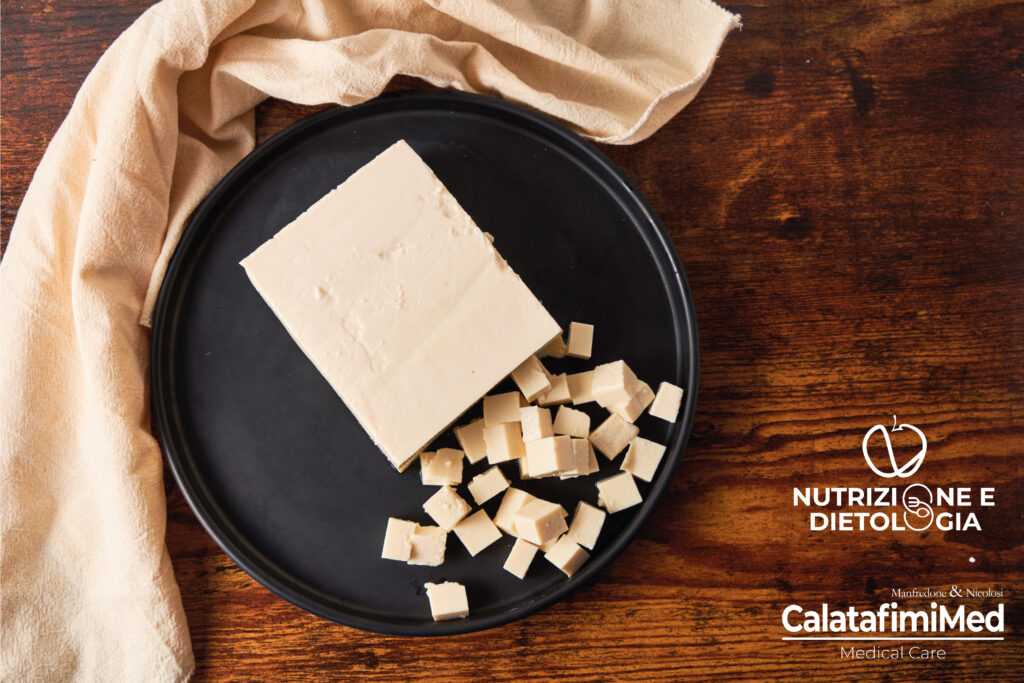
Soya and soya products (tofu, tempeh, edamame): complete proteins, suitable for many dishes.
-
Legumes (chickpeas, beans, lentils, peas): rich in protein, fibre and iron.
-
Whole grains (spelt, oats, brown rice, buckwheat): they provide energy and, combined with legumes, supply all the essential amino acids.
-
Nuts (almonds, walnuts, hazelnuts, pistachios): a source of protein and unsaturated fats, excellent for heart health.
-
Seeds (chia, flax, sunflower, pumpkin): rich in protein, fibre and minerals such as magnesium and iron.
-
Quinoa and amaranth, naturally gluten-free pseudo-cereals, are a complete and highly digestible protein source.
-
Seaweed such as spirulina and wakame, less common but extremely nutritious, are a store of protein and valuable micronutrients.
How to replace meat with plant proteins
Cutting out or reducing meat does not mean giving up protein.
With a varied, balanced diet, you can meet your daily needs by combining different plant sources correctly. Legumes with cereals, for example, are a perfect match.
Including soya, tofu, tempeh, quinoa, nuts and seeds in your daily diet ensures an adequate protein intake while reducing saturated fat and cholesterol.
People on a vegetarian or vegan diet should, however, watch out for possible deficiencies of vitamin B12, iron, zinc and omega-3, nutrients that are less present in plant foods. In these cases the support of a nutrition specialist is essential for personalised advice and, if necessary, correct supplementation.
The benefits of plant proteins
As well as providing energy and keeping muscles healthy, plant proteins offer scientifically recognised benefits:
they help lower “bad” (LDL) cholesterol, improve weight control, help prevent cardiovascular disease and support better digestion thanks to their fibre.
Eating more plant protein means not only improving your health, but also choosing a more sustainable, environmentally friendly lifestyle.
Frequently asked questions
What is the difference between plant and animal proteins?
Animal proteins contain all the essential amino acids, while plant sources need to be combined to achieve the same result.
Are plant proteins good for your health?
Yes. They help keep cholesterol and body weight under control, support cardiovascular health and promote gut health.
What can I eat instead of meat?
Legumes, tofu, tempeh, quinoa, whole grains, nuts and seeds are excellent alternatives, rich in protein and “good” fats.
Does a vegan diet risk a protein deficiency?
Not if the diet is varied and well planned. However, supplements of vitamin B12 and some minerals may be useful, on a nutritionist’s advice.
Send us your request
*Waiting times refer to working days and to the first available specialist.
CalatafimiMed is in Palermo and is open from Monday to Saturday. For any further information you can contact the centre here.
